Leaf Designs
Leaf DesignsPosted by Chris Isidore on 16-03-2026
Funny Facts
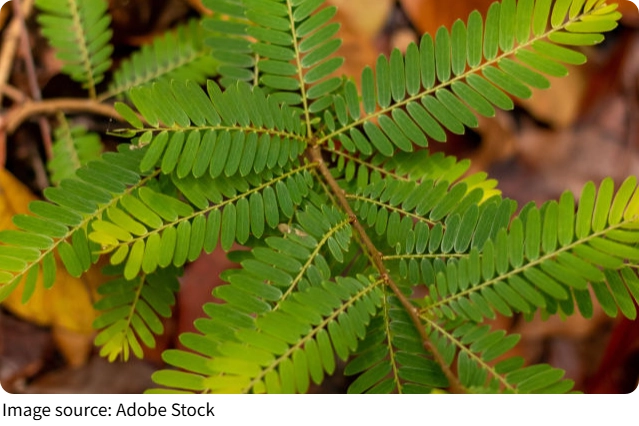
Have you ever noticed how some plants have broad, flat leaves while others are tiny, needle-like, or even curled?
These differences aren't random—they're survival strategies.
Each leaf's shape, size, and structure affects how much sunlight it captures, how much water it loses, and how the plant thrives in its environment. By understanding leaf morphology and sunlight adaptation, you can see the quiet genius of nature at work and even improve how you care for your own plants.
Leaf Size and Light Capture
The surface area of a leaf determines how much light it can absorb for photosynthesis. Broad leaves capture more sunlight, which is helpful in shaded environments, while narrow or small leaves reduce overheating in direct sun.
Key points:
1. Broad leaves, like those of the hosta, maximize light capture in understory conditions.
2. Small or needle-like leaves, like in conifers, limit water loss while still performing photosynthesis efficiently.
3. Some plants adjust their leaf size seasonally; for example, deciduous trees grow large leaves in spring and shed them in fall.
Actionable tip: when growing shade-tolerant plants indoors, choose species with wider leaves—they'll absorb more light even under low-light conditions.
Leaf Thickness and Water Balance
Thicker leaves can store water and reduce evaporation, which is especially helpful for plants in high-sun, dry conditions.
How it works:
1. Succulent leaves store water in their mesophyll layers, allowing photosynthesis to continue during dry spells.
2. Thick leaves often have a waxy cuticle, reflecting sunlight and minimizing water loss.
3. Some plants, like the jade plant, combine thickness with compact size to survive prolonged heat.
Practical example: if you notice houseplants with thin leaves wilting quickly in a sunny window, consider switching to thicker-leaved species like peperomia or kalanchoe for better resilience.
Leaf Orientation and Sunlight Management
Leaf angles and orientation help control how much sunlight hits the surface, preventing damage while optimizing photosynthesis.
Details:
1. Vertical leaves reduce direct sun exposure at midday, which can prevent overheating.
2. Some leaves rotate or tilt to track the sun throughout the day—a process called heliotropism.
3. Rosette arrangements, like in aloe, funnel sunlight efficiently while protecting central growth points.
Tip: when placing outdoor plants, observe natural leaf orientation to mimic it with planting direction. This helps maximize sunlight exposure without stressing the plant.
Leaf Shape and Heat Dissipation
Complex leaf shapes, including lobed or serrated edges, allow plants to shed excess heat and prevent overheating.
Insights:
1. Lobed leaves, like maple or oak, create more edge surface, increasing airflow and cooling.
2. Needle-like leaves minimize surface area, reducing water loss in hot, arid climates.
3. Curled or folded leaves can shade themselves internally, reducing sunburn risk.
Actionable example: in hot climates, consider growing plants with deeply lobed or narrow leaves to reduce water stress, rather than broad-leaved species that may scorch easily.
Sunlight Adaptation Strategies
Plants often combine multiple leaf traits to survive in their specific sunlight conditions.
Strategies:
1. Shade-adapted plants: large, thin leaves with maximum surface area and minimal wax coating.
2. Sun-adapted plants: small, thick, wax-coated leaves oriented to avoid intense midday rays.
3. Seasonal adaptation: some species develop different leaf types during wet or dry seasons.
Practical tip: if you're designing a garden with mixed sun and shade areas, group plants according to their leaf morphology for better survival and growth.
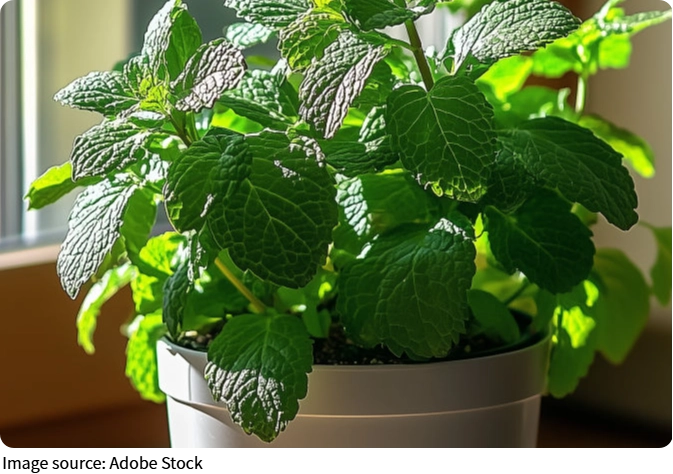
Lessons for Gardeners
Understanding leaf morphology gives us practical guidance for plant care. Leaf size, thickness, orientation, and shape all influence sunlight use, water balance, and overall plant health. By choosing species suited to your light conditions and observing natural adaptations, you can help your plants thrive with less effort.
Quick tips:
1. Match leaf type to light conditions: broad leaves for shade, narrow/thick leaves for full sun.
2. Observe leaf orientation and tilt plants accordingly for best light absorption.
3. Rotate indoor plants occasionally to prevent uneven growth caused by directional sunlight.
Leaf morphology is nature's toolkit for survival. Every curve, edge, and thickness carries a story of adaptation, resilience, and efficiency. Paying attention to these traits helps us grow healthier plants and deepens our appreciation for the subtle ways life conquers its environment. By following these principles, you can design gardens and indoor plant setups that mimic nature's logic and flourish under the conditions you provide.
Popular
Darkness Does Work
The hours without light quietly restore balance inside every plant.
The Pause Before Growth
That quiet slowdown often signals preparation, not failure.
Plants Speak Quietly
Every leaf angle and pause is a message waiting to be understood.
Open Spaces, Hidden Stress
Wide, airy homes can quietly challenge plants more than smaller rooms.