Fox Night Hunter
Fox Night HunterPosted by Mukesh Kumar on 06-03-2026
Wild Animals
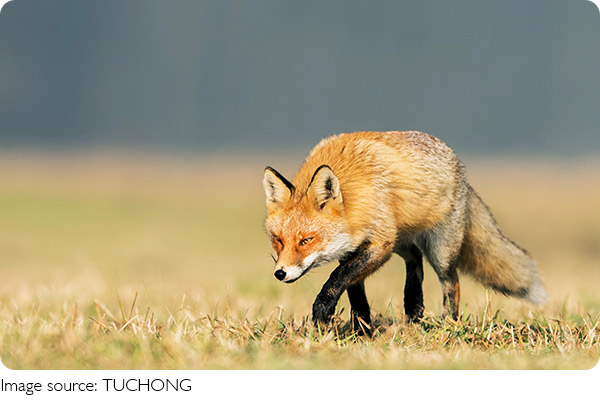
Together we explore the secret life of foxes and how they survive in the wild. Foxes are small yet powerful animals. They move quietly through forests and grasslands, especially at night.
With smart instincts and strong senses, they adapt to different environments. In this section, we look at how they live, hunt, and protect their territory in nature.
Basic Habits and Living Environment
Foxes usually live in forests, grasslands, mountains, and farmland. They adapt to different environments. Some foxes also live near human areas if food is available. Their body is light and flexible, which helps them move fast through trees, bushes, and open land.
Foxes eat many kinds of food. They hunt small animals like mice and rabbits. They also eat birds, insects, and fruits when needed. This wide food choice helps them survive in changing seasons. When food is hard to find, they adjust their diet and search for new sources.
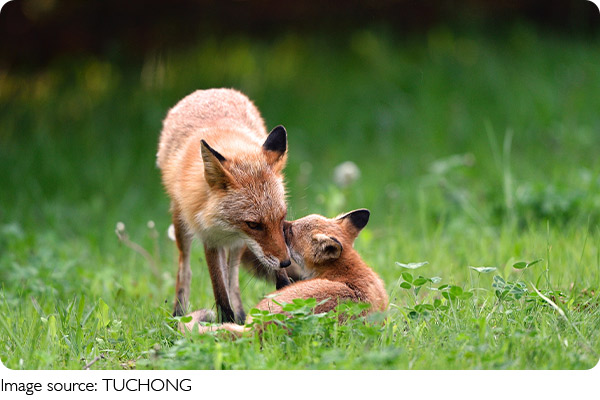
Foxes can live alone or in small family groups. During the breeding season, a pair works together to raise young foxes. The parents protect the young and teach them basic survival skills. The young learn fast by watching and following their parents.
Sharp Senses That Support Night Hunting
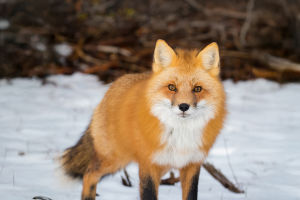
Foxes are well known as night hunters. Their eyes can see clearly in low light. This ability helps them detect movement in the dark. At night, many small animals move slowly, and foxes take advantage of this time to hunt.
Their ears are also very sensitive. Foxes can hear small sounds like a mouse moving under leaves or snow. When they hear the sound, they locate the position carefully before jumping quickly to catch the target.
Smell plays an important role too. Foxes use their strong sense of smell to track hidden animals. Even if prey hides underground or behind thick grass, foxes can follow the scent trail and find it.
Flexible Body and Fast Movement
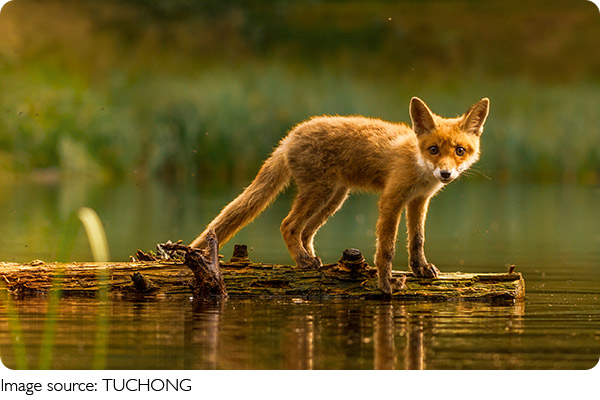
The body structure of a fox is light and agile. It can turn quickly and change direction while running. This flexibility gives it an advantage during fast chases.
Foxes have strong legs and sharp claws. When they jump on prey, they hold it firmly. Their tail works as a balance tool. It helps them stay steady when running or making sudden movements.
In snowy areas, foxes jump high and use careful steps to avoid sinking. In forest areas, they move quietly between trees and bushes. Their body design supports different hunting environments.
Smart Hunting Skills and Strategy
Foxes do not only rely on speed. They also use smart strategies. Sometimes, a fox hides and waits quietly near a path where small animals pass. When the target appears, it attacks quickly.
Foxes may also use terrain to hide their presence. Rocks, tall grass, and tree shadows help them stay invisible. This hiding skill increases hunting success.
In some cases, foxes cooperate with family members. Working together makes it easier to catch larger prey or defend territory. Cooperation strengthens survival chances.
Role in the Ecosystem
Foxes play an important role in nature. By hunting small animals and insects, they help control population balance. If small animals grow too many, they may damage crops and plants. Foxes reduce this risk naturally.
Their waste also returns nutrients to the soil. Other animals sometimes feed on remains left behind. In this way, foxes support energy flow in the ecosystem.
However, habitat loss and environmental changes affect fox populations. When forests disappear or food sources decrease, foxes face more challenges. Protecting natural areas is important to keep their living space safe.
Protecting Fox Habitats Together
We can help foxes by protecting forests and wild spaces. Keeping green land safe gives foxes space to hunt and raise young. Reducing pollution also keeps their food sources healthy.
City planning with green zones and safe wildlife areas can reduce conflict between humans and foxes. When we respect nature, foxes and other animals can live better lives.
Lykkers, what do you think about the amazing skills of foxes? Their night vision, sharp hearing, and smart behavior show how powerful small creatures can be. Let us value wildlife and protect their homes so future generations can see foxes living freely in nature.
Popular
Curious Facts About Puffins
Discover the surprising behaviors of the colorful Atlantic seabird.
Leopard Adaptations
How spots, claws, and agility help leopards survive in the wild.
Eastern Cottontail Insights
Fascinating behaviors and survival tricks of this common rabbit.
Egret Feeding Secrets
How these elegant birds use stealth and skill to catch their prey.