Ice Wall Climbing Techniques
Ice Wall Climbing TechniquesPosted by Caroll Alvarado on 03-03-2026
On Trend
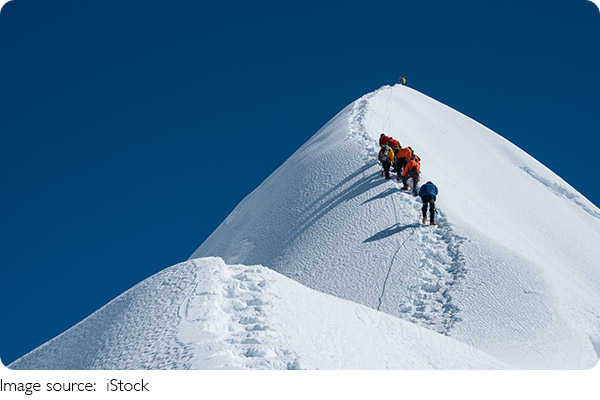
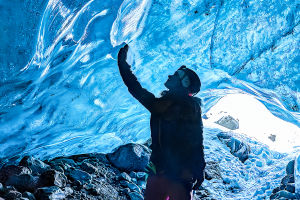
Climbers pause at the base of a towering ice wall, the sun glinting off crystalline surfaces.
The frozen cliff looms above, challenging every ounce of strength, balance, and focus. Ice climbing demands precision and preparation—success is a combination of technique, equipment, and mental resilience.
Understanding how climbers approach these vertical wonders can transform awe into achievement.
Choosing and Preparing the Right Gear
1. Ice Axes
Climbers rely on a pair of specialized ice axes to anchor themselves to the wall. Selecting axes with ergonomic grips and appropriate pick angles allows for secure placements and controlled movements. Proper maintenance, including checking for sharpness and structural integrity, is crucial for safety.
2. Crampons
Crampons attach to climbing boots and provide traction on icy surfaces. Front-point crampons enable precise foot placements on vertical ice, while hybrid designs offer versatility for mixed terrain. Ensuring correct fit and strap security prevents slips and improves efficiency.
3. Ropes and Harnesses
Dynamic climbing ropes absorb shocks in case of falls. Coupled with well-fitted harnesses, these tools form the lifeline of the climber. Belay devices and locking carabiners facilitate safe progression and team support during challenging ascents.
Mastering Fundamental Techniques
1. Front-Pointing
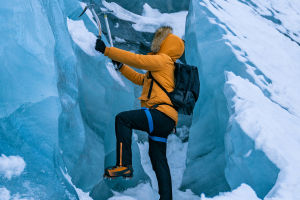
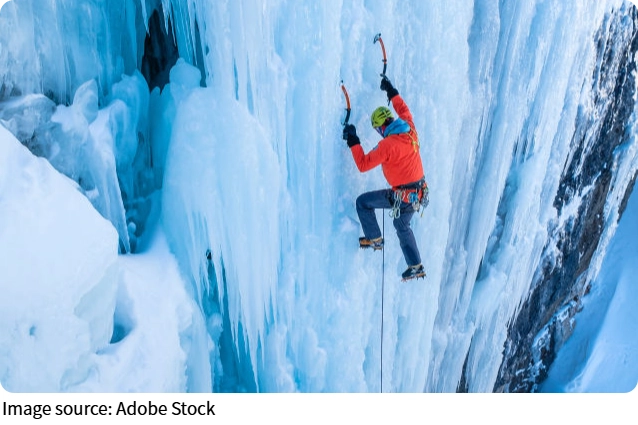
This technique involves driving the front points of crampons into the ice while keeping the body upright. It maximizes stability and allows climbers to maintain balance while moving vertically.
2. Ice Tool Placement
Placing axes correctly requires controlled swings and deliberate insertion into solid ice. Climbers avoid brittle sections to reduce the risk of tool dislodgement. Alternating placements between hands maintains rhythm and reduces fatigue.
3. Resting and Weight Distribution
Knowing when to pause is as important as moving efficiently. Shifting weight onto resting points, keeping arms slightly bent, and relying on leg strength conserves energy for difficult pitches.
Safety Practices and Environmental Awareness
1. Ice Assessment
Experienced climbers evaluate ice quality before each move. Hard, transparent ice generally provides more secure placements than soft, opaque, or fractured sections. Recognizing weak zones prevents accidents.
2. Layered Clothing
Cold conditions demand moisture-wicking base layers, insulating mid-layers, and waterproof outer shells. Layering allows climbers to regulate body temperature while minimizing bulk that could hinder movement.
3. Avalanche and Weather Awareness
Climbers monitor forecasts for temperature fluctuations and snowfall, which can affect ice stability. Proper knowledge of terrain and potential avalanche zones is essential for risk management.
Mental Focus and Training
1. Visualization
Many climbers mentally rehearse routes before ascent, visualizing handholds, foot placements, and potential challenges. This preparation increases confidence and reduces hesitation on the wall.
2. Strength and Endurance
Core, leg, and grip strength are vital. Training with pull-ups, weighted carries, and endurance exercises supports sustained effort on long climbs.
3. Incremental Progress
Building skill progressively on smaller ice walls or mixed terrain allows climbers to refine technique safely before attempting more vertical or exposed sections.
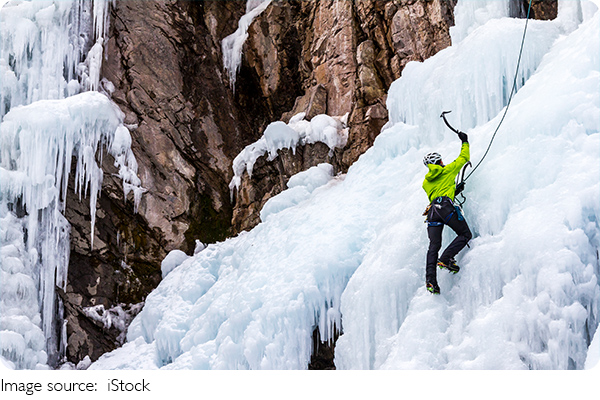
Scaling a frozen wall is more than a physical challenge—it is a test of strategy, preparation, and mental fortitude. With proper gear, practiced technique, and awareness of environmental risks, climbers can approach ice walls with confidence. Each successful ascent reinforces the rewards of diligence, turning an imposing ice face into a memorable and exhilarating achievement.
Popular
Mastering Skateboard Tricks
Step-by-step guidance from basic ollies to advanced maneuvers for confident riders
Rock Climbing for Beginners
Essential skills, gear, and safety tips to start your climbing journey.
Snowboard Skills Progression
From controlled turns to confident advanced maneuvers.
Essential Gear for Skiing
Key equipment and apparel to ensure safety and enjoyment on the slopes.