Mad Max Action Cinema
Mad Max Action CinemaPosted by Kwame Johnson on 08-07-2026

On Trend
The first time the engines roar across the desert, you barely have time to settle into your seat. Dust fills the screen, vehicles surge forward, and the chase begins almost immediately.
There is no slow exposition, no gentle introduction—only momentum. Evaluating Mad Max: Fury Road means asking a simple question: does relentless action deepen the film's impact, or does it risk overwhelming the story?
Released in 2015 and directed by George Miller, the film reimagines the long-running Mad Max franchise with a singular creative vision. Rather than focusing on dialogue-heavy narrative, it builds meaning through movement, imagery, and rhythm.
Visual Storytelling as Narrative
Minimal Dialogue, Maximum Clarity
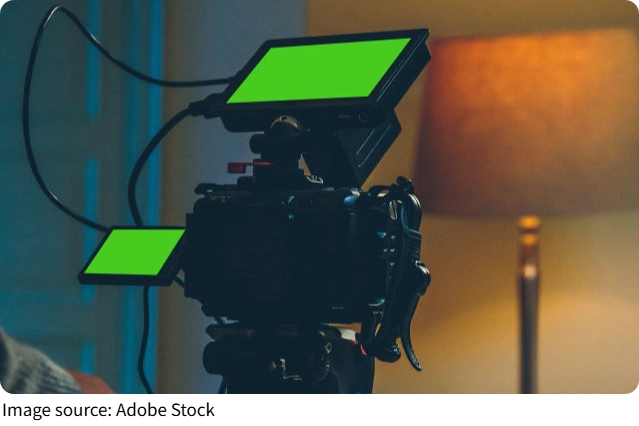
The film is known for its sparse dialogue. Large sections unfold with little spoken explanation. Instead, character motivations and world-building are conveyed visually—through costume design, vehicle modifications, and environmental detail.
The desolate landscape, improvised protective gear, and ritualistic gestures establish a dystopian society without lengthy exposition. This approach respects the audience's intelligence, allowing viewers to infer rather than be told.
Practical Effects and Real Stunts
One of the film's most praised elements is its commitment to practical effects. Many of the vehicle stunts were executed physically rather than relying solely on computer-generated imagery. Real explosions, choreographed crashes, and mechanical rigs create tangible weight. This decision enhances immersion; the dust feels dense, the collisions feel heavy, and the danger feels immediate.
Color and Composition
Unlike earlier entries in the franchise that favored muted palettes, this film uses saturated oranges and deep blues to heighten contrast. The desert scenes glow with intense warmth, while night sequences shift to cooler tones. Cinematographer John Seale employed centered framing during chase sequences to maintain spatial clarity, preventing chaos from becoming visually confusing.
Character and Theme Beneath the Chaos
Furiosa's Central Arc
Although the film carries the Mad Max name, Imperator Furiosa emerges as a central figure. Her quest is not simply escape but redemption and liberation. The emotional weight of her journey gives the film moral grounding. Without this human core, the spectacle would feel hollow.
Redemption and Agency
Themes of autonomy and choice run throughout the narrative. Characters, once defined by survival, begin making decisions based on hope. Even secondary figures experience arcs that move from blind loyalty to self-awareness. These shifts add dimension to what might otherwise be a continuous chase sequence.
Economy of Structure
The story itself is deceptively simple: travel in one direction, then return. This structural clarity allows the film to concentrate on tension and pacing. By narrowing the plot, the director creates room for kinetic choreography and emotional beats to coexist.
Rhythm, Editing, and Impact
Controlled Chaos
Despite the film's high speed, the editing maintains coherence. Quick cuts are balanced with deliberate framing, guiding the viewer's eye to focal points. This prevents visual fatigue.
Sound Design as Momentum
Engine roars, percussive score elements, and mechanical screeches form a rhythmic backbone. The soundscape functions almost like a pulse, reinforcing the film's forward drive.
Critical Reception
The film received widespread acclaim upon release, earning six Academy Awards and nominations in major categories including Best Picture and Best Director. Critics highlighted its technical mastery and innovative action choreography, often describing it as a benchmark for modern action cinema.
Is Spectacle Enough?
The true strength of Mad Max: Fury Road lies in its discipline. It does not attempt to be everything at once. Instead, it commits fully to kinetic storytelling while embedding thematic substance within motion. For some viewers, the near-constant action may feel exhausting. For others, that intensity becomes the film's defining achievement.
Evaluating it fairly means recognizing both elements: breathtaking craft and streamlined narrative ambition. If cinema is a visual medium first and foremost, this film embraces that identity without apology. Watching it is less about absorbing dialogue and more about experiencing propulsion. Whether that exhilaration resonates depends on what you seek from film—but its technical precision and clarity of vision are difficult to ignore.
Popular
Sing 2 Review
A bright, heartfelt sequel about dreams, teamwork, and finding courage on a bigger stage.
Color in Visual Storytelling
How Film Colors Shape Emotion: The Art of Visual Storytelling Through Color Palettes
Film Score Matters
A movie's score isn't just background noise — it quietly controls what you feel in every single scene.
Zoo City Return
Why Does Zootopia 2 Feel So Fresh Again? A Warm Return to a City Full of Surprises and Meaningful Connections!