Escalante’s Vast Landscapes
Escalante’s Vast LandscapesPosted by Declan Kennedy on 27-02-2026
On Trend
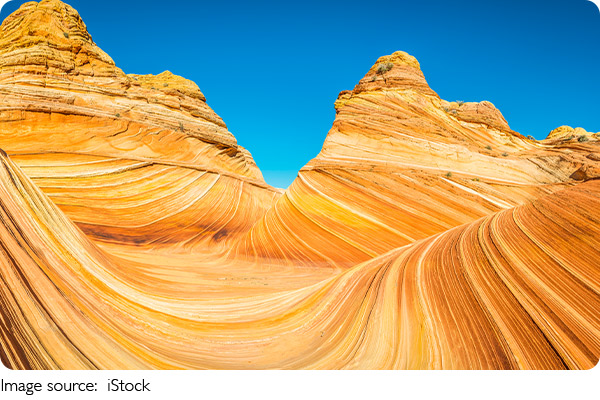
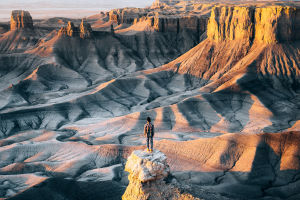
Pulling into the dusty parking lot, the sun paints the sandstone cliffs in shades of orange and gold.
You take a deep breath, feeling the dry air fill your lungs and the sense of space stretch endlessly around you.
Grand Staircase-Escalante National Monument isn't just a park—it's a journey through time, where every winding trail reveals layers of history etched in rock, and every turn offers a moment of awe that makes you forget the world beyond the canyons.
Start with Scenic Drives
The monument covers nearly two million acres, so your first step is deciding how to see it. Scenic drives provide a gentle introduction and let you spot key formations without the strain of hiking.
Recommended routes:
Hole-in-the-Rock Road – About 40 miles from Escalante town, this dirt road leads to stunning views of narrow canyons; suitable for high-clearance vehicles.
Burr Trail Scenic Byway – Connects Capitol Reef National Park to Boulder; stop at viewpoints for panoramic photographs.
Skutumpah Road – Less-traveled, perfect for solitude; watch for switchbacks and rock outcrops.
Tip: Pack a small picnic and plenty of water. Stops along these roads can be remote, with no facilities nearby.
Hiking Hidden Canyons
For hands-on exploration, hiking trails take you deeper into the monument's dramatic landscapes. Each path tells a story of erosion, geology, and occasional wildlife sightings.
Top hikes:
Lower Calf Creek Falls Trail – 6 miles round-trip; waterfall reward at the end. Permit parking around $5. Start early to avoid heat in summer months.
Peek-a-Boo and Spooky Gulch – Slot canyons perfect for adventure; watch your step, as narrow passages require careful navigation.
Coyote Gulch – Longer trek (12+ miles) with arches, natural bridges, and seasonal pools; plan an overnight stay for full experience.
Practical tip: Use trail markers and bring a detailed map. Cell reception is spotty, and GPS can be unreliable in deep canyons.
Camping in the Monument
Spending a night under the stars is an unforgettable way to experience the monument's vastness. Designated campgrounds and dispersed sites offer options for all preferences.
Camping highlights:
Calf Creek Campground – Picnic tables, fire pits, vault toilets; reservations recommended in summer.
Dispersed camping – Free, first-come, first-served; ideal for solitude but bring water and sanitation supplies.
Backcountry camping – Requires planning, permits, and pack-in/pack-out practices; perfect for experienced hikers.
Local insight: Evening temperatures drop quickly; pack layers and check weather forecasts to avoid surprises.
Photographing Rock Formations
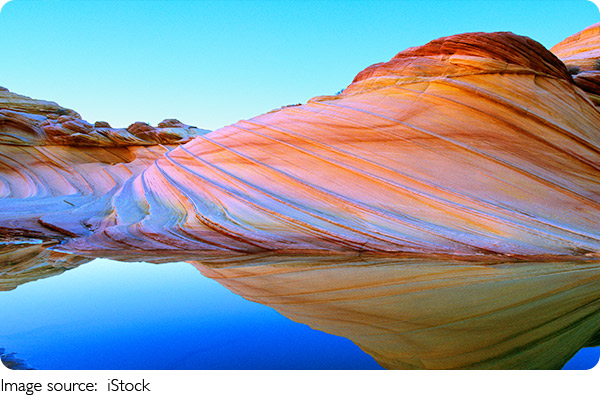
The monument's geological variety is photographer heaven: hoodoos, cliffs, and natural bridges glow differently throughout the day.
Photography tips:
Sunrise at Escalante Natural Bridges – Soft morning light enhances textures and shadows.
Sunset at Devil's Garden – Golden hour creates dramatic contrasts; arrive 30 minutes early for the best angles.
Use a tripod for canyon interiors to capture low-light details without blur.
Practical example: Bring polarizing filters to reduce glare from sandstone surfaces and highlight the deep reds and oranges.
Best Time to Visit
The climate in Escalante is variable, with hot summers and cold winters. Spring and fall provide ideal conditions for hiking and photography.
Seasonal guide:
March–May – Blooming wildflowers, mild temperatures, moderate crowds.
September–October – Clear skies, comfortable hiking weather, fewer visitors.
June–August – High temperatures; early morning hikes recommended to avoid heat.
Tip: Check for flash flood warnings, especially in slot canyons during spring rains. Safety is key in these narrow passages.
Local Tips for a Smooth Visit
Maximizing your experience means combining preparation with flexibility.
Practical advice:
Bring cash for small entrance fees and roadside purchases; credit card access may be limited.
High-clearance or 4WD vehicles are preferable for dirt roads, especially after rain.
Plan at least two full days to explore both scenic drives and hikes; one-day visits feel rushed.
Actionable example: Start your day at 7 a.m., hike to Lower Calf Creek Falls by 10 a.m., drive along Burr Trail by noon, and set up camp at Calf Creek by late afternoon for a full yet manageable itinerary.
Reflecting on Escalante
By the end of your trip, the monument isn't just a place you visited—it's a series of moments you lived: the crunch of gravel underfoot, the smell of juniper in the morning, and the quiet awe of a canyon carved over millennia. Grand Staircase-Escalante teaches patience and attentiveness, encouraging travelers to notice subtle beauty rather than rushing past.
Next time you plan an outdoor adventure, consider giving yourself space to wander, pause, and let the landscape leave its impression. The true reward isn't crossing destinations off a map—it's collecting memories that stay long after the trip ends.
Popular
Autumn Forest Hiking Prep
The small mistakes that can ruin a perfect fall trail—and how to avoid them
Yacht Day Done Right
The small safety details that turn a yacht trip from risky to relaxing
Mountain Rings in Stone
The hidden geometry that makes terraces look like a mountain’s timeline
Tuscany at a Slower Pace
When to go, what to book, and how to avoid costly travel mistakes