In-Car Entertainment Matters
In-Car Entertainment MattersPosted by Pankaj Singh on 27-02-2026

On Trend
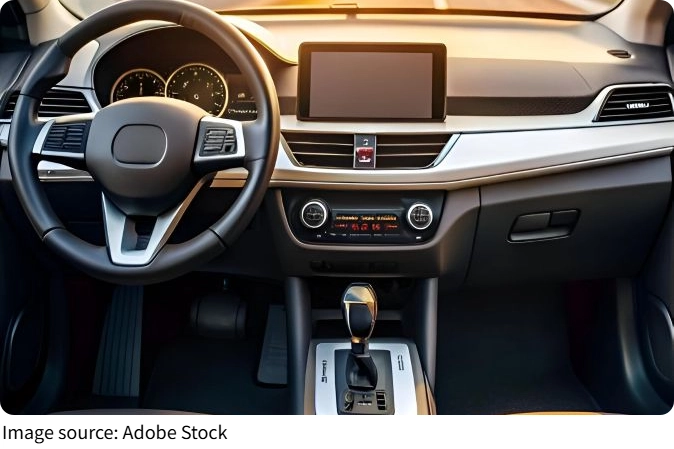
Long-distance driving has a rhythm of its own.
The scenery changes slowly, conversations rise and fall, and hours stretch in ways that feel very different from short daily commutes.
Somewhere between the first hour and the fourth, comfort stops being about the seat alone. What keeps the journey pleasant often comes from sound, connection, and small moments of shared enjoyment inside the cabin.
A well-designed in-car entertainment system doesn't just fill silence. It reduces fatigue, keeps passengers engaged, and helps time feel smoother and more manageable. On long trips, that quiet influence becomes surprisingly important.
1. Audio quality shapes the emotional atmosphere
Clear sound balance
Consistent volume at speed
Minimal listening fatigue
Music and spoken content guide the mood of a journey. When sound is clear and evenly distributed, passengers feel relaxed rather than strained. Poor audio, on the other hand, forces people to concentrate just to hear properly, which slowly increases tiredness.
Road noise changes with speed, so a good system adjusts volume smoothly without sudden jumps. This keeps conversations and playlists comfortable whether driving through quiet countryside or faster highways.
A simple way to evaluate audio comfort:
- Play both music and spoken content during a test drive.
- Increase speed gradually and notice whether clarity remains stable.
- Listen for sharp tones that become tiring after several minutes.
- Pleasant sound reduces mental pressure and helps long hours feel shorter.
2. Navigation integration lowers travel stress
Real-time directions
Clear visual guidance
Voice instruction support
Getting lost during a long trip quickly changes the mood inside the car. Integrated navigation keeps attention focused forward instead of on phones or paper maps. Clear turn-by-turn visuals and calm voice guidance prevent sudden lane changes or rushed decisions.
Real-time updates are especially valuable when traffic conditions shift. Rerouting early can save significant time and prevent frustration from unexpected delays.
To use navigation effectively:
- Enter the full destination before starting the drive.
- Adjust screen brightness so directions stay visible in sunlight and darkness.
- Keep voice guidance active to avoid looking away from the road.
- Smooth guidance supports both safety and peace of mind.
3. Connectivity keeps passengers engaged
Wireless media access
Multiple device support
Charging availability
Long trips often include more than one passenger, each with different preferences. Seamless connectivity allows playlists, podcasts, or audiobooks to change easily without complicated setup. When devices connect quickly, the journey flows without interruption.
Charging access is just as important. A drained phone halfway through the trip can remove navigation, communication, and entertainment at the same time. Convenient charging points keep everyone comfortable and prepared.
A practical preparation routine:
- Pair primary devices before departure instead of during the drive.
- Bring charging cables that fit all passengers' devices.
- Download favorite content in advance in case of weak signal areas.
- Small preparation steps prevent boredom and frustration later.
4. Rear-seat entertainment improves group comfort
Independent viewing options
Headphone compatibility
Simple control interfaces
Passengers in the back seat experience time differently from the driver. Without engagement, even a two-hour ride can feel long. Rear-seat screens or tablet support allow movies, games, or educational content to pass the time naturally.
Headphone compatibility matters because it lets different passengers enjoy separate audio without disturbing others. Easy controls are equally important, especially for younger travelers who may need simple navigation.
To check rear-seat usefulness:
- Sit in the back seat during a short test drive to assess screen visibility.
- Test headphone connection for stable sound.
- Confirm controls respond quickly without confusing menus.
- Comfort for passengers often determines whether the whole trip feels enjoyable.
5. Balanced design prevents driver distraction
Voice control features
Simple menu structure
Limited visual clutter
Entertainment should support the journey, not compete with driving attention. Systems that rely heavily on touchscreens or deep menus can pull the driver's eyes away from the road. Voice commands and clear layouts allow quick adjustments without losing focus.
Visual clutter is another hidden issue. Too many bright colors or moving graphics may feel exciting at first but become tiring during long hours. Calm, readable design helps maintain steady concentration.
A safe interaction approach:
- Set playlists and destinations before moving.
- Use voice commands for changes while driving.
- Avoid scrolling through complex menus on the road.
- Thoughtful design keeps enjoyment and safety working together.
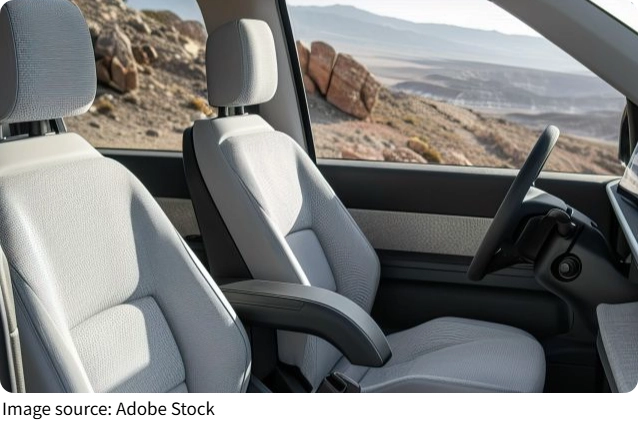
Long journeys are measured less by distance than by how they feel along the way. When sound is pleasant, directions are clear, passengers stay engaged, and the driver remains calm, hours pass with surprising ease. An effective in-car entertainment system quietly supports all of this without demanding attention.
It turns travel from simple movement into shared time—moments of music, conversation, and quiet scenery blending into memories that last longer than the miles themselves.
Popular
Cars for City Commuting
Discover the perfect cars for city driving: compact, efficient, and stylish.
Top Luxury Flagship Cars
Discover the best luxury sedans that redefine automotive excellence.
Vans Go Electric
Why Big Businesses Are Racing to Switch to Electric Vans—Before It’s Too Late!
Garage Gear Guide
Why Smart Car Owners Swear By These Garage Must-Haves!