Frozen Lake Drift
Frozen Lake DriftPosted by Mukesh Kumar on 10-02-2026
Funny Facts
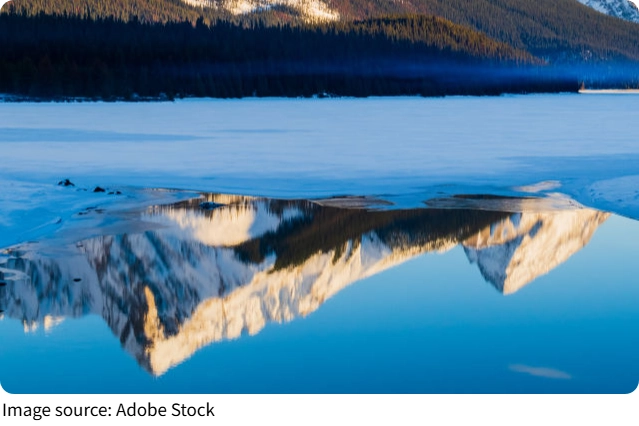
Have you ever imagined stepping into an icy lake in the middle of winter and feeling… surprisingly warm? That’s exactly what ice floating in the Arctic offers.
It’s one of the most unique adventures we can experience, combining the thrill of icy water immersion with the calm of drifting weightlessly on a frozen lake.
For those looking for a truly unforgettable Arctic adventure, this is it. Whether we’re seasoned travelers or trying something completely new, ice floating is an experience that leaves a lasting impression.
What Ice Floating Is
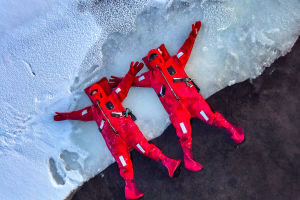
Ice floating is more than just floating on cold water. We get to drift on a lake that is usually frozen during winter while wearing a special flotation suit. The feeling is almost dreamlike—weightless, calm, and supported by the water, surrounded by snow-covered trees and pristine ice. It’s an intimate way to connect with Arctic nature and enjoy a perspective that few people ever get to experience. Unlike regular swimming, it’s slow, meditative, and generally very safe when guided properly, letting us fully take in the stillness of winter.
Cost
Most guided ice-floating tours are priced around €90–€180 per person, usually including the flotation suit, guide support, and a post-activity hot drink. Private tours can cost more depending on group size and transfers.
Getting Ready: The Special Suit
Before entering the lake, we put on a specially designed flotation suit made of lightweight, waterproof materials. This suit helps keep us warm and dry, even in freezing conditions. Underneath, we wear a few thermal layers to stay extra cozy. The suit allows us to stay in the water comfortably for extended periods, without worrying about the cold. Once in the lake, we can lie back, relax, and feel like the water itself is carrying us gently across the frozen surface. The safety features also let us focus fully on the experience without any distractions.
Floating on the Lake
Once we’re in the water, the scene is breathtaking. Ice crystals sparkle on the lake’s surface, snow-covered trees surround us, and the pale winter sky stretches above. Floating here feels almost like flying; the suit keeps us buoyant while we soak in the beauty of the Arctic. We can close our eyes for a moment to fully enjoy the serenity, or take photos to capture the surreal scenery. The combination of still water, crisp air, and soft sunlight creates a magical atmosphere that we’ll remember forever.
Best Time & Opening Season
Ice floating is typically available from December to March, with the most stable frozen-lake conditions often in January and February. Exact operating schedules vary by provider and are adjusted according to weather and ice safety conditions.
Cozy Fireside Break
After floating, we head to a nearby cabin to warm up by a crackling fire. Here, we enjoy hot drinks and snacks, letting our bodies fully recover from the icy adventure. The cabin is small and private, so we can relax with our group and reflect on the experience. The contrast between icy waters and the cozy interior makes the day feel even more special. Sitting by the fire, watching snow fall outside, we feel a deep sense of calm and satisfaction after such a unique adventure.
Accommodation
Accommodation options usually range from budget guesthouses (€60–€110/night) to mid-range hotels (€120–€220/night), while premium Arctic lodges can start from €250+ per night in peak season.
Winter Wonderland Views
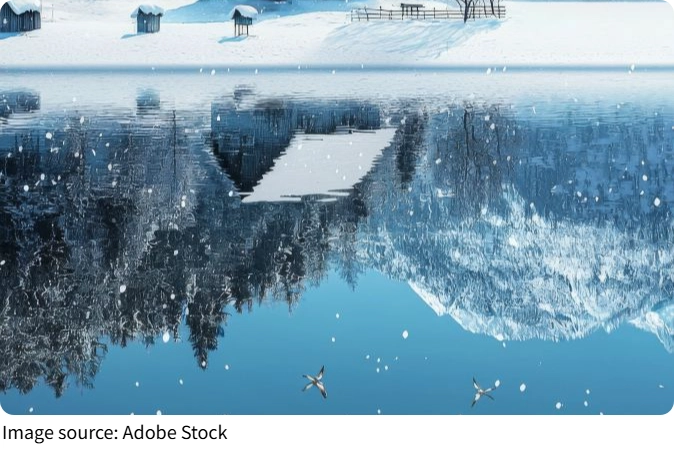
Everywhere we look, the winter landscape is stunning. Frozen lakes reflect the soft winter light, snow-covered hills rise in the distance, and trees glisten with frost. It’s a dream for photography lovers, but even without a camera, the scenery is mesmerizing. We can take a quiet walk along the lake’s edge, snap photos, or simply pause to breathe in the fresh Arctic air. Every moment feels like a scene from a winter storybook, and being immersed in it while floating adds to the magic.
Food & Transport at a Glance
A casual meal often costs around €12–€25, while standard restaurant mains are often €20–€40. Shared transfers to activity sites are commonly €15–€40 round-trip, though private transfers can be significantly higher.
Tips for the Best Experience
To make the most of ice floating, we should:
- Wear layers under the flotation suit, along with warm socks and gloves.
- Book during the coldest months, usually December to February, when lakes are fully frozen.
- Arrive well-fed and hydrated to stay energized.
- Bring a waterproof camera to capture special moments.
- Keep the floating sessions slow and mindful to fully enjoy the calm.
Why We’ll Never Forget It
Ice floating is unlike any other experience—we get to enjoy adventure, calm, and breathtaking winter views all at once. From floating on icy waters to warming up by the fire and exploring the surrounding landscape, it’s an unforgettable Arctic adventure. Lykkers, if we want a mix of thrill and tranquility in one unique activity, ice floating should definitely be on our list. It’s magical, serene, and one of those experiences that stays with us forever.
Arctic Ice Floating: Would you brave a swim in a frozen lake in Lapland?
Video by euronews
Popular
Engadin Hiking Guide
Discover Switzerland’s Engadin Valley: Ultimate Hiking Trails, Tickets, Transport, Stay & Dining Tips for an Unforgettable Adventure!
Karwendel Alpineworld
How to ski this alpine area without crowds or wasted lift time.
Hiking Do's and Don'ts
Practical rules that keep your hike safe, calm, and enjoyable.
Sognefjellet Road Trip Plan
A clear route, real costs, and timing tips for Norway's highest pass!